
Author: Andrew Jolliffe in: Painting and Coating
SPC on a paint line often feels confusing or broken when charts exist but quality problems keep coming back. You collect data. You review reports. Runs, sags, and thickness violations still show up. The issue is rarely SPC itself. The issue is how SPC gets applied on the line.
This blog explains how to make SPC useful on a paint line, using practical steps you can apply on the floor. If you’re really interested in a deep dive, real-world application and scientific study of the effects of SPC on a paint line, check out Improved Vehicle Painting Process Using Statistical Process Control Tools In An Automobile Industry.
Most paint lines struggle with the same SPC problems:
Data lives in spreadsheets or binders
Charts update after the shift ends
Operators do not trust the numbers
Limits feel arbitrary
No one acts when charts signal trouble
SPC fails when it becomes a quality task instead of a production control tool.
SPC should answer simple questions during production:
Is the process stable right now
Is thickness drifting before parts go out of spec
Did a setup or environment change affect quality
Should the operator adjust the process or stop the line
If SPC does not support real decisions, it adds noise instead of clarity.
Paint lines fail at SPC when teams track too many points at once. Focus on variables tied directly to defects and cost.
Start with:
Dry film thickness or wet film thickness
Booth temperature
Booth humidity
Gun pressure and flow rate
Line speed
Cure oven temperature and time
These variables explain most paint quality variation.
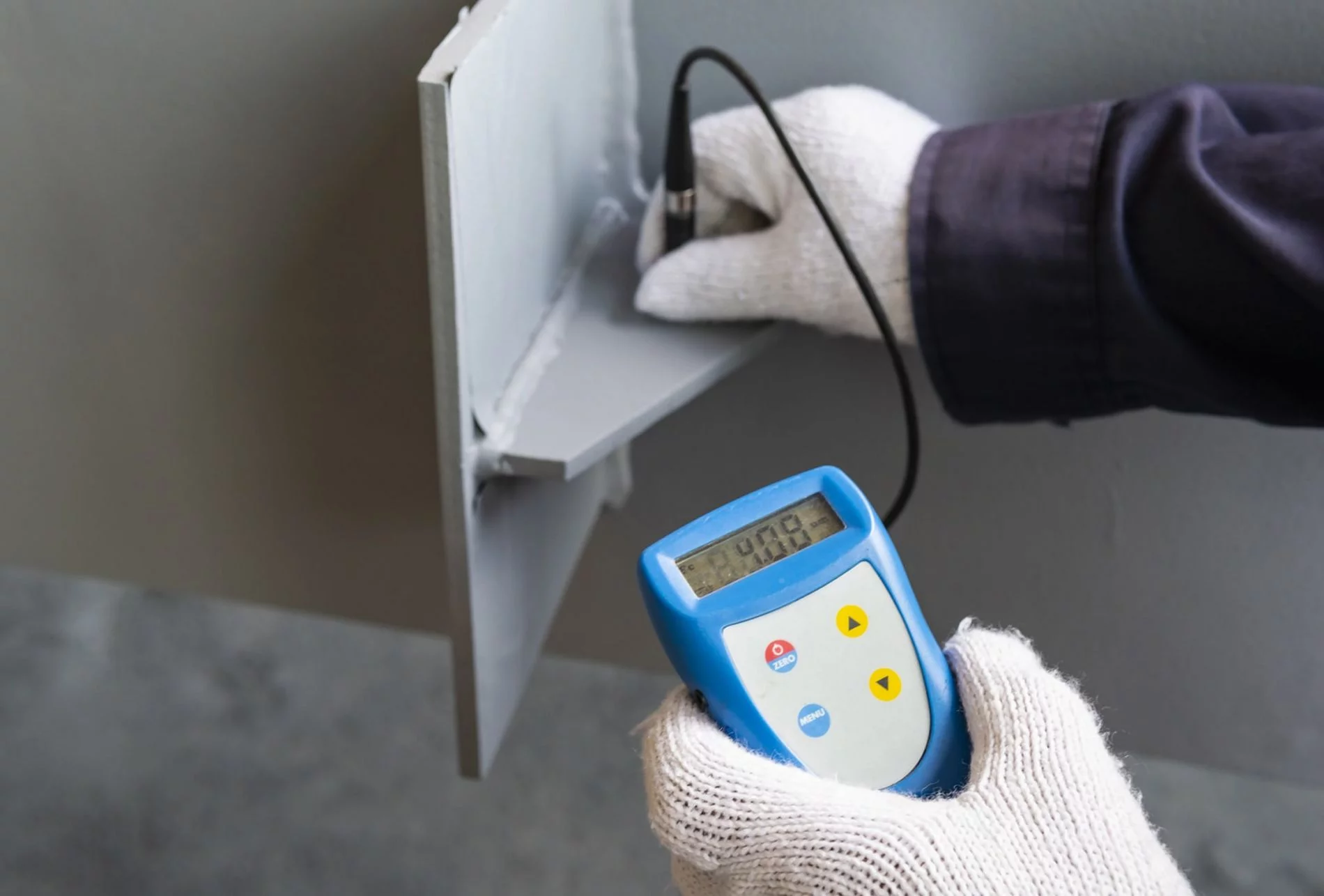
Thickness drives appearance, performance, and material usage. Poor thickness control leads to rework, scrap, and excess paint consumption.
For thickness SPC:
Measure the same location on the part
Use the same gauge and method
Sample at consistent intervals
Plot results in time order
Consistency matters more than sample size.
Many teams plot data but misread the signals.
Common issues include:
Limits copied from specs instead of process data
Charts reviewed days later
Trends ignored because parts still pass inspection
Operators unsure when to act
Control charts exist to detect drift early, not to confirm failure later.
Out of control does not mean bad parts already exist. It means the process changed.
Signals to watch for:
Points outside control limits
Steady upward or downward trends
Repeating patterns shift to shift
Sudden jumps after setup changes
These signals point to special causes like gun adjustment, material changes, or environment drift.
SPC only works when responses stay clear and simple.
When a signal appears:
Pause adjustments based on instinct
Check recent changes to setup or environment
Verify gauge accuracy
Adjust one variable at a time
Confirm stability before resuming full speed
This discipline prevents overcorrection.
SPC breaks down when it lives outside production.
To fix this:
Review charts during shift handoffs
Place charts where operators work
Train operators on what signals mean
Define clear actions for common signals
Ownership belongs on the floor, not in a quality office.
Sampling once per shift hides drift. Sampling too often overwhelms operators.
A practical approach:
Sample thickness after setup changes
Sample at defined intervals during steady runs
Increase frequency when trends appear
Sampling should support control, not paperwork.
SPC exists to stabilize the process. Stable processes produce consistent quality. Consistent quality reduces firefighting.
When SPC works, you see:
Fewer thickness violations
Lower paint usage
Fewer appearance defects
Faster root cause analysis
Less operator frustration
SPC stops feeling broken when it helps you control the line instead of explaining failures after the fact.

For more information about how OnRamp ERP software can add value to your business fill in the contact form below. A member of our support team will contact you within 1 business day to discuss any questions you have.
Start the collaboration with us while figuring out the best solution based on your needs.


Our efforts began as an internal project of Mancor Industries when we identified the need for a more cohesive ERP system to manage the complexity of multiple plants, multiple products, multiple customers and multiple functions.
Read MoreHas your business outgrown a patchwork of disconnected systems? This checklist helps you assess readiness, identify gaps, and prepare for a smooth transition.


