
Author: Ian Church in: News
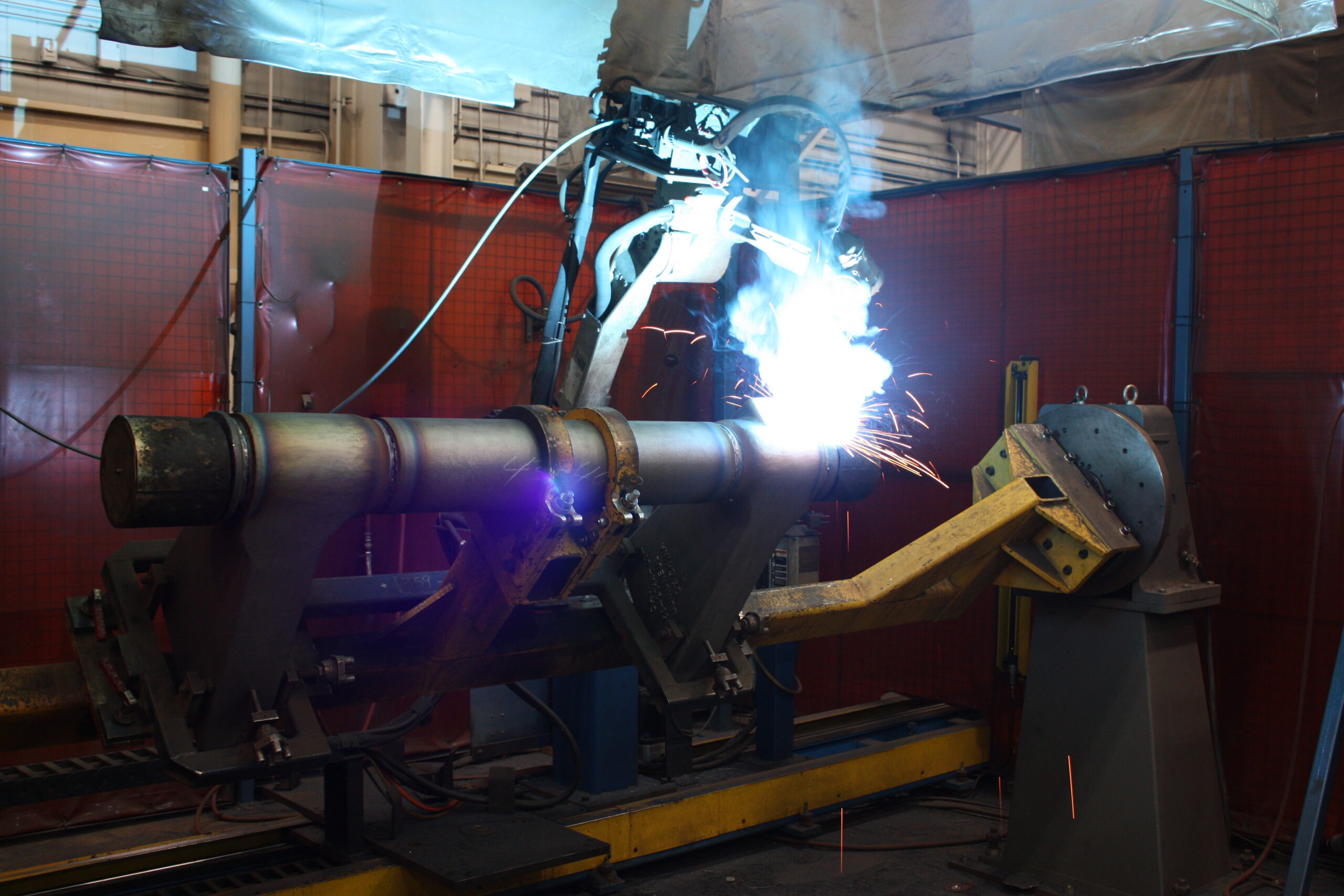
China plans auto plants with near total automation before the end of this decade. Robots weld. Robots move parts. AI coordinates production. Factories run around the clock with limited human intervention.
Many manufacturers in North America operate far from this reality.
Production schedules sit in Excel. Inventory accuracy sits below acceptable levels. Job status requires walking the floor. Maintenance starts after machines fail. Information sits across separate tools.
You cannot automate operations without operational discipline.
Manufacturing automation readiness requires reliable data, clear processes, and tight coordination across the business. Without this foundation, robotics and advanced automation introduce new problems instead of solving existing ones.
The gap between leading factories and many midmarket shops grows each year. The issue does not start with robotics. The issue starts with the operational foundation.
Automation systems rely on information. Robots, scheduling engines, and planning systems require reliable inputs.
When your operational data contains errors, automation multiplies the problem.
Common issues include:
Inventory records do not match physical stock
Routings differ from actual production steps
Production schedules depend on manual updates
Machine downtime lacks structured tracking
Job status lacks real time visibility
When these conditions exist, automation stalls. Operators stop trusting system data. Production teams revert to manual coordination.
Accurate operational data allows your organization to coordinate work without guesswork.
Focus on the basics first:
Maintain accurate inventory counts
Standardize production routings
Track machine downtime
Record production activity in real time
Maintain a reliable production schedule
Automation requires discipline across daily operations.
Many manufacturers rely on spreadsheets for scheduling, job tracking, and inventory records. These tools support small operations during early growth stages. As production complexity increases, spreadsheets introduce risk.
Spreadsheets produce several operational problems:
Multiple versions of the same data
Manual updates across departments
Limited visibility into production status
No reliable audit trail
Delayed communication between teams
Automation systems depend on structured data and coordinated workflows. Spreadsheets lack the structure required for automation.
Your production team needs a single source of operational truth. Production schedules, inventory movements, machine activity, and job progress must connect across the organization.
Integrated systems replace scattered spreadsheets with consistent operational data.
Manufacturers often view automation as a robotics investment. The first step does not involve robots. The first step involves operational discipline.
Operational discipline includes:
Accurate inventory management
Structured production scheduling
Preventive maintenance programs
Clear production routings
Reliable job tracking
These practices produce stable operations. Stable operations support automation.
When machines, operators, and systems follow structured processes, automation expands production capacity instead of adding confusion.
Manufacturers who skip this foundation struggle during automation projects. Data conflicts appear. Production delays increase. Teams lose confidence in the system.
Operational discipline supports consistent production performance.
Automation requires coordination across the entire business. Production planning, inventory management, maintenance, shipping, and finance must share the same operational data.
Disconnected systems create operational blind spots.
Integrated manufacturing systems connect core processes:
Sales orders drive production demand
Material planning aligns purchasing and inventory
Production activity updates job status and costs
Maintenance schedules protect equipment uptime
Shipping activity connects to invoicing and financial records
Integrated data creates visibility across the organization.
Your production team sees job progress. Your purchasing team sees material demand. Your maintenance team sees equipment usage. Your finance team sees accurate production costs.
Automation depends on this coordination.
You do not need a fully robotic factory to move forward. Progress begins with stronger operational control.
Focus on the fundamentals:
Improve inventory accuracy
Replace spreadsheet scheduling with structured planning
Track production activity consistently
Establish preventive maintenance processes
Integrate operational data across departments
These steps prepare your organization for automation.
Factories with reliable operational data gain flexibility. Production teams respond faster to change. Planning improves. Equipment uptime improves. Managers make decisions with confidence.
Automation grows from this foundation.
The future of manufacturing includes more automation. Robots, intelligent planning systems, and connected equipment will continue to expand across the industry.
Manufacturers who build operational discipline today position themselves for that future.
The first step does not involve robots.
The first step involves control of your operations.

For more information about how OnRamp ERP software can add value to your business fill in the contact form below. A member of our support team will contact you within 1 business day to discuss any questions you have.
Start the collaboration with us while figuring out the best solution based on your needs.


Our efforts began as an internal project of Mancor Industries when we identified the need for a more cohesive ERP system to manage the complexity of multiple plants, multiple products, multiple customers and multiple functions.
Read MoreHas your business outgrown a patchwork of disconnected systems? This checklist helps you assess readiness, identify gaps, and prepare for a smooth transition.


