
Author: Ian Church in: Fabricated Metals
Machine Shops
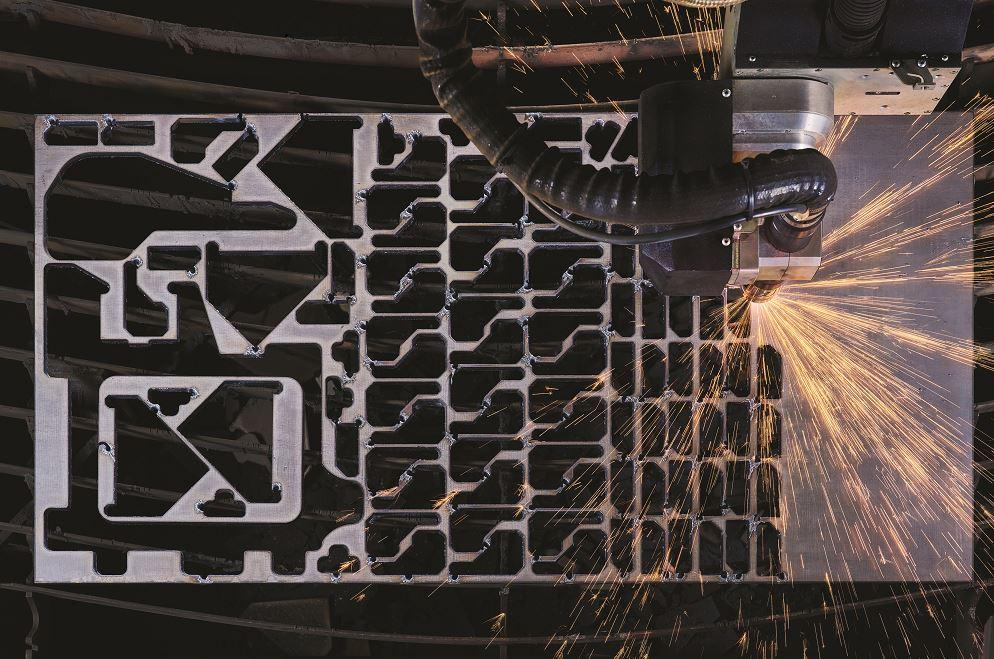
You spend hours building nests. Scrap stays high. Material costs rise anyway. This problem shows up in many sheet metal shops. Nesting works in isolation. Purchasing, inventory, and costing live somewhere else.
Sheet metal cutting optimization starts with material usage. It finishes when nest decisions flow into your ERP. When systems connect, waste drops and margins improve.
Here is how to approach it.
Nesting software focuses on part placement. It does not understand purchasing rules, stock formats, or true material cost. This disconnect leads to predictable issues.
Common symptoms show up on the floor and in accounting.
Nests ignore remnant inventory.
Programmers assume stock sizes purchasing no longer buys.
Scrap rates look acceptable per nest but climb over time.
Cost estimates drift from reality.
Optimization requires more than tighter geometry. It requires context.
Sheet metal cutting optimization improves when nests reflect real-world inputs. Material availability, supplier formats, and job demand matter.
Start with visibility.
Pull live inventory into the nesting process.
Prioritize existing sheets and remnants.
Block unavailable gauges or finishes.
Align standard sheet sizes with purchasing contracts.
This approach reduces excess buying and uncontrolled scrap. It also shortens planning time since programmers stop working from outdated assumptions.
Scrap reduction does not come from chasing perfection. It comes from consistency.
Small gains compound fast.
Reuse remnants across jobs.
Group parts by material and thickness.
Balance throughput against yield.
Track scrap by material type, not job alone.
A ten percent scrap reduction changes margins meaningfully. It also stabilizes quoting and scheduling.
Quoting problems often trace back to poor material assumptions. When nests rely on outdated sheet sizes or average scrap rates, quotes drift. You win jobs at thin margins without realizing it.
Sheet metal cutting optimization tightens this gap.
When nesting data feeds your ERP, estimates reflect real yield and real material usage. Quotes improve without padding. Margin risk drops. Sales stops fighting operations over pricing outcomes.
This alignment matters most on repeat work. Small errors compound over time. Accurate cutting data keeps pricing grounded in reality.
Sheet metal cutting optimization improves when nesting data flows into your ERP. This connection closes the loop between planning and execution.
With integration, your shop gains shared truth.
Inventory updates after each cut.
Purchasing sees real consumption rates.
Costing reflects actual yield.
Scheduling accounts for material availability.
Decisions speed up. Surprises drop.
Scheduling struggles when material availability stays unclear. Jobs queue up. Machines wait. Expedite orders disrupt the floor.
Integrated sheet metal cutting optimization removes blind spots.
Planners see which sheets exist, which remnants fit upcoming work, and which materials require lead time. Schedules stabilize. Cut lists match inventory. Fire drills slow down.
Better schedules protect throughput and reduce overtime. They also improve delivery performance, which customers notice fast.
ERP-connected nesting supports disciplined buying.
Instead of estimating future demand, you rely on actual cut plans and historical usage.
Buy fewer emergency sheets.
Reduce excess safety stock.
Match supplier formats to cutting strategy.
Time purchases to production demand.
Suppliers respond better to accurate forecasts. Pricing improves. Cash stays available.
Material often represents the largest variable cost in sheet metal fabrication. ERP data exposes where losses occur.
You gain insight across operations.
Scrap trends by material and machine.
Yield differences across programmers.
Cost variance between estimate and actual.
Margin erosion tied to material waste.
These insights drive process improvement, not blame.
Shops that focus on sheet metal cutting optimization through integration see clear results.
Lower scrap without slowing throughput.
More accurate quotes.
Fewer material shortages.
Tighter margins with less stress.
Optimization stops feeling theoretical. It becomes operational.

For more information about how OnRamp ERP software can add value to your business fill in the contact form below. A member of our support team will contact you within 1 business day to discuss any questions you have.
Start the collaboration with us while figuring out the best solution based on your needs.


Our efforts began as an internal project of Mancor Industries when we identified the need for a more cohesive ERP system to manage the complexity of multiple plants, multiple products, multiple customers and multiple functions.
Read MoreHas your business outgrown a patchwork of disconnected systems? This checklist helps you assess readiness, identify gaps, and prepare for a smooth transition.


